In the realm of transportation and logistics, the concept of Last mile delivery plays a crucial role in ensuring efficient and timely distribution. As businesses strive to overcome challenges and innovate in this final step of the supply chain, let’s delve into the key aspects and solutions that drive success in Last mile delivery.
Transportation and logistics are the lifelines of supply chain management, and optimizing the Last mile delivery process is essential for businesses seeking to meet customer expectations and stay competitive in today’s market.
Last Mile Delivery
Last mile delivery refers to the final step in the delivery process where goods are transported from a distribution center or hub to the end destination, typically a customer’s home or business address. This stage is crucial as it directly impacts customer satisfaction and can be a significant cost driver for businesses.
Challenges in Last Mile Delivery
- High delivery costs due to individualized shipments and inefficient routes.
- Increased traffic congestion and urbanization leading to delays.
- Demand for same-day or next-day delivery expectations.
- Difficulty in coordinating with recipients for delivery timings.
Importance of Optimizing Last Mile Delivery
Optimizing last mile delivery is essential for businesses to enhance customer satisfaction, reduce costs, and improve operational efficiency. By streamlining this final stage of the delivery process, companies can gain a competitive edge in the market and meet the growing demands of consumers.
Innovative Solutions in Last Mile Delivery
- Utilization of drones for quick and efficient deliveries in remote or congested areas.
- Implementation of locker systems for secure and convenient parcel collection by customers.
- Collaboration with crowdsourced delivery services to expand delivery capabilities.
- Integration of route optimization software to plan efficient delivery routes and reduce travel time.
Transportation and Logistics
Transportation refers to the physical movement of goods from one location to another, while logistics involves the planning, coordination, and management of these movements to ensure the efficient flow of goods throughout the supply chain.Efficient transportation and logistics systems play a crucial role in supply chain management by ensuring timely delivery of products, reducing costs, and improving overall customer satisfaction.
Without effective transportation and logistics, businesses would struggle to meet customer demands and maintain competitiveness in the market.
Traditional Transportation Methods vs. Modern Logistics Practices
In the past, traditional transportation methods relied heavily on manual processes, such as handwritten documentation and slower modes of transport like horse-drawn carriages. Modern logistics practices, on the other hand, leverage technology and automation to streamline operations, track shipments in real-time, and optimize routes for faster delivery.The use of modern logistics practices has revolutionized the way goods are transported, allowing for quicker delivery times, improved inventory management, and better visibility throughout the supply chain.
By embracing technology, businesses can enhance efficiency, reduce costs, and meet the evolving demands of today’s consumers.
Impact of Technology on Transportation and Logistics
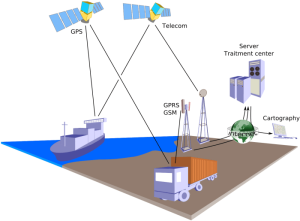
Technology has had a profound impact on improving transportation and logistics processes. Innovations such as GPS tracking, route optimization software, and warehouse management systems have enabled companies to operate more efficiently, reduce lead times, and minimize errors in shipments.Additionally, the integration of IoT devices and data analytics tools has provided valuable insights into supply chain operations, allowing businesses to make data-driven decisions and proactively address any issues that may arise.
Overall, technology has transformed the transportation and logistics industry, enabling companies to meet the growing expectations of customers and stay ahead of the competition.
As we conclude our exploration of Last mile delivery, it becomes evident that embracing innovative solutions and strategies is paramount for businesses aiming to excel in the final leg of their product journey. By prioritizing efficiency and customer satisfaction in Last mile delivery, companies can unlock new opportunities for growth and success in the ever-evolving landscape of logistics and transportation.
FAQ Corner
What are the key challenges faced in Last mile delivery?
Some key challenges include traffic congestion, inefficient route planning, and the need for real-time tracking of deliveries.
How can businesses optimize Last mile delivery for better efficiency?
Businesses can optimize Last mile delivery by leveraging technology for route optimization, implementing delivery lockers for convenience, and partnering with local delivery services.
What are some examples of innovative solutions used in Last mile delivery?
Innovative solutions include drone delivery, autonomous vehicles, and crowdsourced delivery platforms that enhance speed and efficiency in the Last mile process.