Embark on a journey into the world of freight forwarding services, where efficiency and precision drive the movement of goods across borders and continents. In this dynamic industry, freight forwarders play a pivotal role in ensuring seamless transportation and delivery of cargo. Let’s explore the intricacies of this essential service and its impact on global trade.
Introduction to Freight Forwarding Services
Freight forwarding services refer to the coordination and shipment of goods from one place to another on behalf of shippers. These services involve managing the logistics of transporting cargo via various modes of transportation, such as air, sea, rail, or road.Freight forwarders play a crucial role in the transportation industry by acting as intermediaries between shippers and carriers. They handle the entire process of moving goods, including booking cargo space, arranging for pick-up and delivery, preparing documentation, and ensuring compliance with regulations.Efficient freight forwarding services are essential for the smooth flow of global trade.
They help businesses streamline their supply chain operations, reduce shipping costs, and ensure timely delivery of products to customers worldwide. Without reliable freight forwarding services, it would be challenging for companies to engage in international trade and reach markets beyond their borders.
Types of Freight Forwarding Services
Freight forwarding services encompass a variety of options to meet different transportation needs. Here we will explore the main types of freight forwarding services and their unique characteristics.
Air Freight
Air freight forwarding services involve the transportation of goods via airplanes. This option is known for its speed, making it ideal for time-sensitive shipments. However, air freight can be more expensive compared to other modes of transportation.
Sea Freight
Sea freight forwarding services involve transporting goods via ships across oceans and seas. While sea freight may not be as fast as air freight, it is a cost-effective option for bulky or heavy shipments. It is commonly used for international trade.
Road Freight
Road freight forwarding services involve transporting goods by road, using trucks or other vehicles. This option is popular for domestic transportation and short-distance deliveries. Road freight offers flexibility and accessibility to various locations.
Rail Freight
Rail freight forwarding services involve transporting goods via trains. Rail freight is known for its efficiency in moving large volumes of cargo over long distances. It is a reliable option for land transportation.
Specialized Services
Freight forwarding companies also offer specialized services to cater to specific cargo requirements. These include:
- Temperature-Controlled Shipping: For goods that require specific temperature conditions during transportation.
- Hazardous Materials Handling: For the safe and compliant transportation of dangerous goods.
- Project Cargo Logistics: For managing complex shipments that involve oversized or heavy loads.
Key Functions of Freight Forwarders
Freight forwarders play a crucial role in the shipping industry by facilitating the movement of goods from one place to another. They handle various responsibilities to ensure the smooth transportation of cargo.
Booking Cargo
Freight forwarders are responsible for booking cargo on behalf of shippers with different carriers. They negotiate rates and secure the best options for transporting goods based on the specific requirements of the shipment.
Arranging Documentation
One of the key functions of freight forwarders is to prepare and manage all the necessary documentation for the shipment. This includes bills of lading, invoices, export/import permits, and other customs-related paperwork to ensure compliance with regulations.
Tracking Shipments
Freight forwarders keep track of shipments throughout the transportation process. They provide real-time updates to shippers and consignees, ensuring transparency and visibility into the status of the cargo at all times.
Coordinating Between Parties
Freight forwarders act as intermediaries between shippers, carriers, and customs officials. They ensure effective communication and coordination among all parties involved in the transportation process to avoid delays and minimize risks.
Handling Customs Clearance
One of the critical roles of freight forwarders is to manage customs clearance procedures. They work closely with customs officials to ensure that all necessary documentation is in order and that shipments comply with international regulations and requirements.
Ensuring Compliance
Freight forwarders are responsible for ensuring that shipments comply with all international laws and regulations. They stay updated on changes in customs procedures and trade laws to prevent any issues that may arise during transportation.
Benefits of Using Freight Forwarding Services
Freight forwarding services offer numerous advantages for businesses looking to streamline their supply chain operations and improve efficiency. From cost savings to global reach, freight forwarders play a crucial role in navigating complex logistics processes and regulations.
Cost Efficiency and Time Savings
- Freight forwarders have established relationships with carriers and can negotiate better rates, leading to cost savings for businesses.
- By handling all aspects of the logistics process, including documentation and customs clearance, freight forwarders save businesses valuable time.
Global Reach
- Freight forwarders have a network of partners worldwide, allowing businesses to reach international markets efficiently.
- They have expertise in navigating international regulations and can ensure shipments comply with all requirements.
Expertise in Complex Logistics Processes
- Freight forwarders have the knowledge and experience to navigate complex logistics processes, ensuring smooth transportation of goods.
- They can provide guidance on the best routes and modes of transportation to optimize supply chain operations.
Streamlined Supply Chain Operations
- Outsourcing logistics to freight forwarders can streamline supply chain operations, improving overall efficiency and reducing the risk of delays or errors.
- Freight forwarders can offer customized solutions to meet specific business needs and ensure seamless transportation of goods from origin to destination.
Transportation and Logistics
In the realm of freight forwarding services, transportation and logistics play a crucial role in ensuring the smooth movement of goods from one point to another. Let’s delve into how these aspects are interconnected and how advancements in technology have revolutionized the efficiency of freight forwarding services.
Advancements in Technology and Efficiency
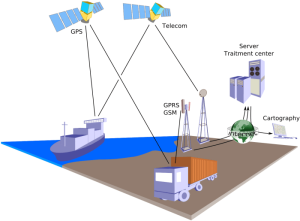
With the advent of modern technology, the logistics industry has undergone significant transformations. The use of advanced tracking systems, GPS technology, and real-time data analytics has revolutionized the way freight forwarders operate. These technological advancements have enabled faster communication, improved supply chain visibility, and enhanced decision-making processes. As a result, freight forwarding services have become more efficient and effective in managing the transportation of goods.
Interconnected Nature of Transportation Modes
Freight forwarders are experts in optimizing the use of different transportation modes – be it air, sea, road, or rail – to ensure the seamless movement of cargo. Each mode of transportation has its own advantages and limitations, and freight forwarders strategically combine these modes to create efficient delivery routes. For example, they may use air transport for time-sensitive shipments, while opting for sea freight for cost-effective transportation of bulky goods.
By leveraging the strengths of each transportation mode, freight forwarders can provide comprehensive logistics solutions tailored to the specific needs of their clients.
Optimizing Networks for Seamless Cargo Movement
The success of freight forwarding services lies in the ability to optimize transportation networks for seamless cargo movement. Freight forwarders work closely with carriers, customs officials, and other stakeholders to coordinate the entire logistics process. By strategically planning routes, consolidating shipments, and managing customs clearance, freight forwarders ensure that goods are transported efficiently and cost-effectively. This integrated approach to logistics allows for the smooth flow of cargo from origin to destination, minimizing delays and maximizing efficiency.
In conclusion, freight forwarding services serve as the backbone of international trade, facilitating the smooth flow of goods and materials worldwide. With their expertise in logistics and customs regulations, freight forwarders enable businesses to expand their reach and optimize supply chain operations. Embracing these services can lead to cost savings, time efficiency, and enhanced competitiveness in the global marketplace.
Essential FAQs
What are the benefits of using freight forwarding services?
Using freight forwarding services can provide cost efficiency, time savings, and access to a global network of transportation resources.
How do freight forwarders ensure smooth transportation of goods?
Freight forwarders coordinate between shippers, carriers, and customs officials to handle documentation, track shipments, and navigate logistics challenges.
What specialized services do freight forwarders offer?
Freight forwarders provide specialized services like temperature-controlled shipping, hazardous materials handling, and project cargo logistics to meet unique cargo requirements.